

Qobuz Review 2026: The Best Streaming Service for Audiophiles?

Music streaming has become nearly synonymous with convenience, something important has often been lost along the way: the listening experience itself.

Today, most platforms compete on catalog size, algorithmic recommendations, and personalized playlists. Millions of songs are available instantly, yet many music lovers feel more disconnected from artists and albums than ever before.
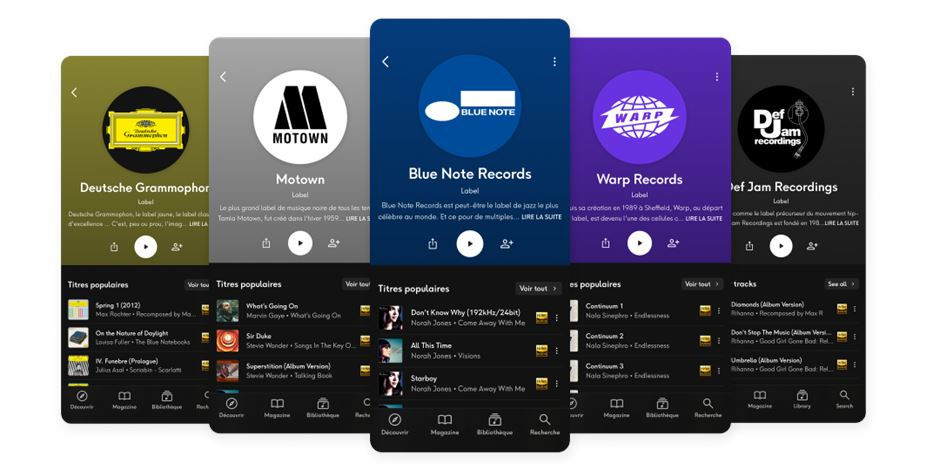
For audiophiles, serious music enthusiasts, and collectors, the challenge is even greater. Sound quality, album credits, mastering information, and editorial context are often treated as secondary concerns.
This is where Qobuz stands apart.
Founded in France in 2007 and now available across North America, Europe, and other international markets, Qobuz has built its reputation around a simple but increasingly rare philosophy: music deserves to be heard, understood, and respected.

Built for Music Lovers, Not Just Streamers
From the beginning, the company focused on serving listeners who wanted more than background music. Whether exploring a classic Miles Davis recording, a newly remastered rock album, or a contemporary classical release, Qobuz encourages users to engage with music as a cultural experience rather than disposable content.
That philosophy remains visible throughout the platform.

Albums are presented as complete artistic works. Artist biographies, reviews, recommendations, and editorial features provide context that is often missing from competing services.
The result feels less like browsing a database and more like walking through a well-curated record store.

Sound Quality Without Compromise
For many audiophiles, Qobuz first gained attention because of its commitment to high-resolution audio.
Long before lossless streaming became fashionable, Qobuz was offering CD-quality and high-resolution music to subscribers who demanded more than compressed audio formats.
Today, the service offers:
CD Quality: 16-bit / 44.1 kHz
High-Resolution Audio: up to 24-bit / 192 kHz
More importantly, Qobuz clearly identifies the resolution available for every album. That transparency matters.
Listeners always know whether they are hearing a standard CD-quality release or a genuine high-resolution master. There is no ambiguity regarding source quality, and no proprietary encoding technology standing between the listener and the music.
Qobuz relies on FLAC, the industry's most widely supported lossless format. As a result, it integrates seamlessly with high-end DACs, network streamers, music servers, and software platforms used by audiophiles around the world.
Whether paired with a dedicated streaming transport from brands such as Auralic, dCS, Eversolo, or integrated into a sophisticated Roon ecosystem, Qobuz has become one of the preferred sources for critical listening.
Editorial Curation in an Algorithm-Driven World
One of Qobuz's greatest strengths is editorial content.
At a time when artificial intelligence and recommendation algorithms increasingly shape our listening habits, Qobuz continues to invest heavily in human expertise.

Its editorial team produces album reviews, artist interviews, playlists, historical retrospectives, and in-depth music features across a broad range of genres.
Jazz, classical, blues, progressive rock, world music, contemporary electronic music, and independent releases receive the same level of attention as mainstream chart-toppers.

Supporting Artists Through a More Sustainable Model
The economics of music streaming remain one of the most debated issues in the modern music industry.
While no streaming platform has fully solved the challenge of artist compensation, Qobuz has consistently positioned itself as an advocate for greater transparency and fairer remuneration.
The company's public stance is clear: music has value.
Rather than focusing exclusively on engagement metrics and listening volume, Qobuz promotes a model that seeks to better support artists, labels, producers, and rights holders.
This commitment has helped the platform earn a strong reputation among independent labels and musicians who view streaming not merely as a distribution channel but as part of a broader music ecosystem.
The Human Factor in the Age of Artificial Intelligence
As AI-generated music becomes increasingly common, many industry observers are questioning how listeners will distinguish authentic artistic expression from automated production.
Qobuz has taken a thoughtful position on this issue.
Rather than emphasizing AI-generated discovery tools, the platform continues to highlight the role of artists, musicians, composers, producers, and journalists in shaping musical culture.
Its editorial strategy reflects a belief that music is more than data. It is the product of human creativity, emotional expression, and artistic intent.
For many serious listeners, that distinction matters.
As streaming platforms become increasingly driven by algorithms, Qobuz remains committed to preserving the human dimension of music discovery.
A Download Store for Collectors
Perhaps the most unique aspect of the Qobuz ecosystem is something many streaming services abandoned years ago: music ownership.
Alongside its subscription service, Qobuz operates one of the world's largest high-resolution music download stores.


Users can purchase and permanently own albums in a variety of formats, including:
FLAC CD Quality
High-Resolution FLAC up to 24-bit / 192 kHz
Studio Masters
Selected DSD releases
For collectors and audiophiles, this remains a significant advantage.
You can buy the astounding DSD hires version of "Thriller" here

Streaming licenses can change. Albums can disappear from catalogs. Ownership provides permanence.
Building a personal digital music library remains an important part of the audiophile experience, and Qobuz continues to support that tradition better than almost any major platform in the industry.
Why Audiophiles Choose Qobuz
Lossless FLAC streaming
High-resolution audio up to 24-bit / 192 kHz
Clear identification of audio formats
No proprietary encoding technologies
Broad compatibility with audiophile hardware
Native integration with Roon
Extensive editorial content
Artist-focused philosophy
High-resolution music downloads
Strong catalog depth in jazz, classical, and specialty genres
Qobuz vs. Spotify, Apple Music and TIDAL: Which Service Is Right for Serious Listeners?
The streaming landscape has never been more competitive. While Spotify, Apple Music, TIDAL and Qobuz all provide access to vast music catalogs, their philosophies differ significantly.
Spotify: Discovery First
Spotify remains the world's largest music streaming platform and arguably the benchmark for playlist-based listening. Its recommendation engine is among the most sophisticated in the industry, making music discovery effortless.
However, Spotify still does not offer a lossless audio tier, leaving many audiophiles waiting for a long-promised HiFi service. For listeners focused primarily on sound quality, this remains a notable limitation.
Apple Music: Excellent Value and Broad Ecosystem Integration
Apple Music has become a major player in high-resolution streaming thanks to its Lossless and Hi-Res Lossless offerings.
Integrated seamlessly into the Apple ecosystem, it delivers exceptional value for mainstream consumers. However, its user interface remains geared toward a broad audience rather than dedicated audiophiles, and detailed information about source masters and file provenance is often less accessible.
TIDAL: Audiophile Ambitions with Mainstream Appeal
TIDAL has long positioned itself as the audiophile-friendly alternative among mainstream streaming services.
The platform offers high-resolution audio, Dolby Atmos content, extensive playlists and a strong focus on contemporary music genres. Recent changes have simplified its audio offerings and broadened access to lossless content.
For many users, TIDAL represents an excellent balance between audiophile performance and mainstream usability.
Qobuz: The Audiophile and Music Lover's Choice
Qobuz takes a different approach.
Rather than focusing primarily on playlists, social features or algorithmic engagement, it emphasizes sound quality, editorial content, transparency and music ownership.
The service clearly identifies audio formats, relies on industry-standard FLAC files, offers one of the largest high-resolution catalogs available and remains unique among major streaming platforms thanks to its integrated download store.
For listeners who view music as more than background entertainment, Qobuz offers an experience that feels closer to a curated record collection than a streaming app.
At a Glance
Feature | Qobuz | Spotify | Apple Music | TIDAL |
Lossless Audio | Yes | Yes | Yes | Yes |
Hi-Res Streaming | Up to 24/192 | No | Up to 24/192 | Up to 24/192 |
FLAC Format | Yes | No | No (ALAC) | Yes |
Download Store | Yes | No | No | No |
Editorial Content | Excellent | Good | Good | Moderate |
Audiophile Focus | Outstanding | Limited | Moderate | Strong |
Roon Integration | Native | No | No | Native |
Artist-Centric Philosophy | Strong | Moderate | Moderate | Strong |
Bottom Line
If your priority is convenience, playlists and social discovery, Spotify remains difficult to beat.
If you are deeply invested in the Apple ecosystem, Apple Music offers exceptional value.
If you want a strong balance between mainstream features and high-quality audio, TIDAL is an attractive option.
But if your goal is to build the best possible digital music experience around sound quality, music discovery, editorial depth and long-term music ownership, Qobuz stands in a category of its own.
Final Thoughts
In a marketplace increasingly focused on convenience and consumption, Qobuz continues to champion listening.
Its combination of high-resolution audio, transparent technical standards, editorial excellence, artist advocacy, and music ownership makes it one of the most compelling services available for serious music lovers.
While mainstream platforms may dominate the headlines, Qobuz occupies a unique position in the audio world.
For audiophiles, collectors, and passionate music enthusiasts, it remains one of the few streaming services built not merely to deliver music, but to honor it.
The links in this article are affiliate links. If you choose to subscribe, place an order, or purchase an album through them, the blog receives a small commission. This has absolutely no impact on the price you pay, but it directly helps fund equipment tests and keep GuideAudioPassion running independently.
Thank you for your support!
If this article was helpful to you, a simple 'Like' below helps me continue these tests for the community! Thank You ;-)


